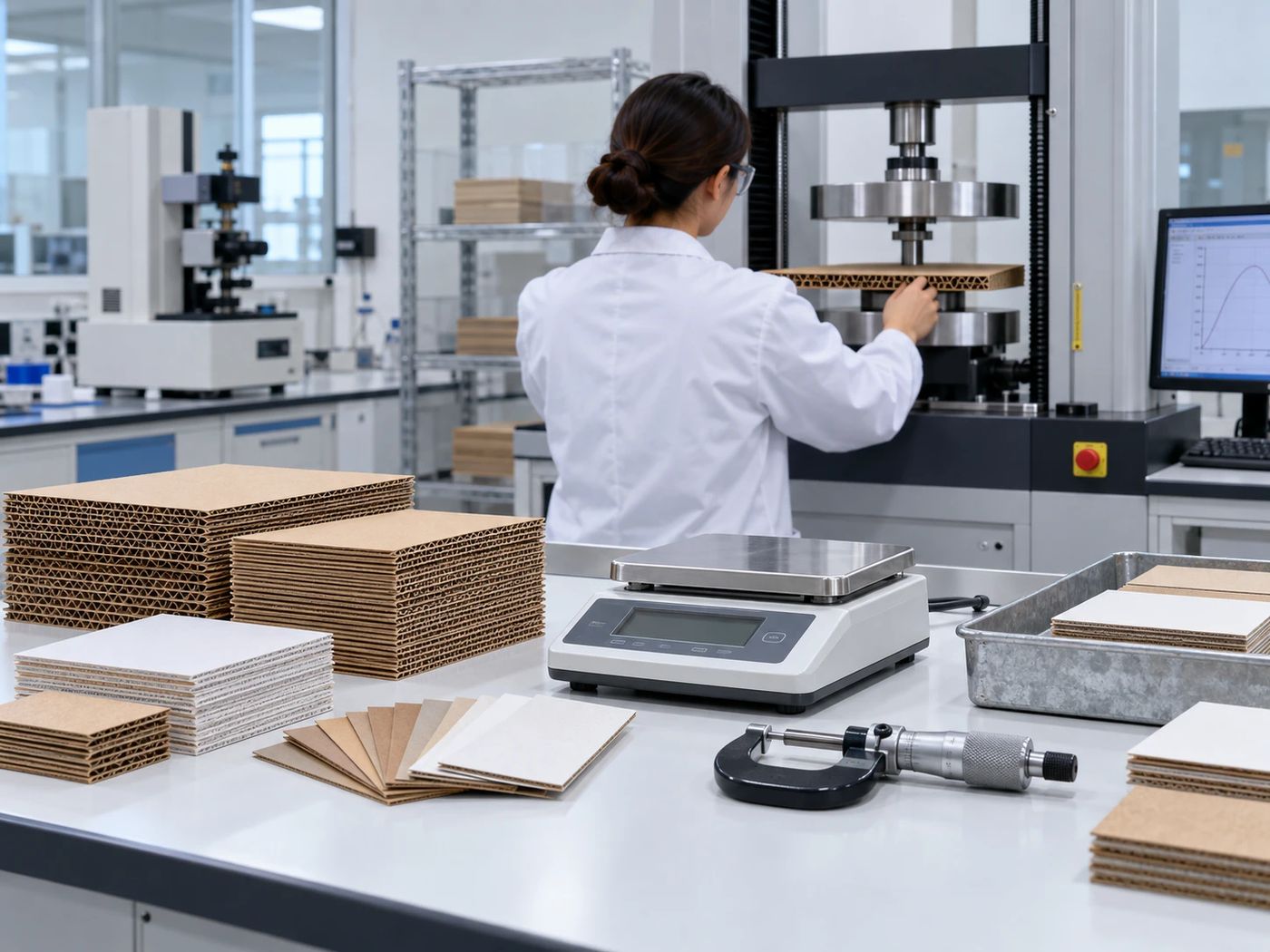
In high-recycled content containerboard manufacturing, industrial starches and functional chemicals compensate for recycled fiber degradation. As an authorized agent of Kipaş Starch, Dash International supplies ultra-pure cationic, oxidized, and native corn starches directly to paper mills and corrugated converting plants, maximizing burst strength, sizing water repellency, and bonding speed while reducing raw fiber cost.
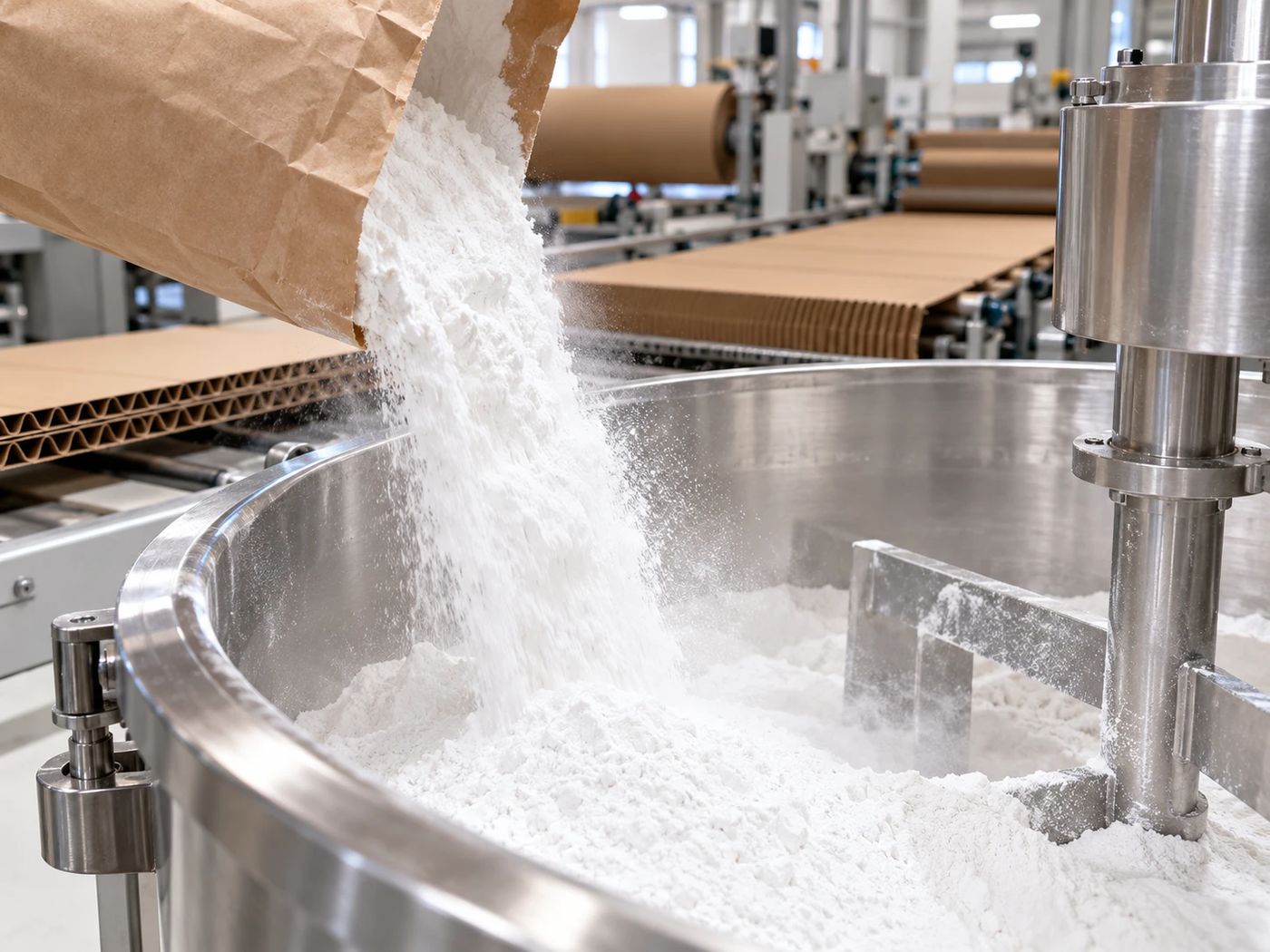
1. Cationic Starch (Wet-End) vs Native Corn Starch (Size-Press & Corrugating)
Cationic starch carries a positive electrostatic quaternary ammonium charge that naturally bonds with negatively charged cellulose fibers and mineral fillers. When dosed at the wet-end (fan pump or headbox approach), it increases internal bonding (Scott Bond), retention of fines, and machine dewatering speed.
Native and oxidized starches are applied at the size-press for surface sizing (improving surface smoothness, ink holdout, and Cobb water repellency) and form the core carrier/raw starch component of Stein-Hall corrugating adhesives, creating high-speed green bond adhesion between fluting and liners.
2. Bleached Kraft Pulp (BHKP & BSKP): Virgin Fiber Reinforcement
To manufacture premium White Top Testliner and food-grade packaging, paper mills blend imported Bleached Hardwood Kraft Pulp (BHKP - Eucalyptus/Birch) and Bleached Softwood Kraft Pulp (BSKP - Pine/Spruce).
Dash International imports prime Russian and Scandinavian virgin pulp sheets in 250 kg bales with ISO brightness > 88% and exceptional tensile energy absorption (TEA), ensuring impeccable printability and structural integrity.
3. Corrugating Adhesive (Stein-Hall) Basics: What the Recipe Controls
In the Stein-Hall system a small portion of the starch is cooked with caustic soda to form the "carrier", which keeps the raw (uncooked) starch in suspension. The two are mixed with water and usually borax to give a glue that stays fluid in the tank and gels quickly when it meets the heat of the corrugator. Solids content, viscosity, gel temperature and the carrier-to-raw ratio are the main levers.
If the gel temperature is too low the glue gels early and bonds poorly; if it is too high, glue lines are weak at speed. Track viscosity and solids on every batch, keep tanks and lines clean, and use a consistent starch source so the recipe does not need constant retuning.
4. Wet-End Additives: How Starch, Sizing Agents and Retention Aids Work Together
Cationic starch improves internal bond and helps retain fines and fillers. Sizing agents such as AKD or ASA make the sheet resist water penetration (measured by Cobb), and retention polymers keep fines on the sheet so they are not lost in the white water. These chemicals interact: the wrong charge balance or pH can reduce the effect of each, so change dosing one variable at a time and test on the machine.
Set the target as a measured gain in burst, SCT or internal bond at the same or lower fibre cost, and verify it by comparing laboratory results before and after a trial rather than relying on supplier claims alone.
5. Storing and Handling Starch and Pulp
Starch is hygroscopic and can cake or pick up odours if stored damp. Keep bags and big bags on pallets in a dry, covered store, away from walls and floors, use them first-in-first-out, and close opened bags. Pulp bales must be kept dry and covered: wet pulp loses value, and mould or contamination cannot be reversed.
Check the batch certificate of analysis on receipt (moisture, and viscosity or brightness as relevant) and keep a retained sample of every lot.
6. How Starch Strengthens Paper: The Simple Explanation
Paper is a network of tiny cellulose fibres held together mainly by hydrogen bonds where fibres touch. The more contact points and the stronger each one is, the stronger the paper. Starch helps in two ways: it acts like a natural glue between fibres, and it fills small gaps so more fibres are joined together.
Recycled fibres are a special case. Each time paper is recycled the fibres become shorter and stiffer and they bond less well, so recycled paper starts weaker than paper made from fresh fibre. Starch is an economical way to bring some of that strength back, which is why it is used in almost every recycled containerboard mill.
The result can be measured in the laboratory: internal bond strength, burst index and compression strength rise when starch is used correctly. The gain is not unlimited. Beyond an optimum dose extra starch stops helping and only adds cost and, in some cases, problems such as foaming or deposits on the machine.
7. Where Starch Is Used: Wet End, Size Press and Corrugator
Starch appears at three different points in the life of a box, and each point uses a different type and preparation.
In the wet end, cationic starch is added to the pulp before the sheet is formed. Its positive charge makes it stick to the negatively charged fibres and fines, so it improves internal bond and also helps the mill retain fine material instead of losing it in the water.
At the size press, a cooked starch solution is applied to the surface of the formed paper as it passes between two rollers. This strengthens the surface, improves printing and helps resist water. Native or oxidised starches are commonly used here.
At the corrugator, a raw starch based adhesive is applied to the tips of the wavy flutes and heated so that it gels and bonds the layers together. The glue must be fluid enough to apply but gel fast enough to hold at production speed. This is where recipe control and consistent starch quality matter most.
8. Hardwood and Softwood Pulp: Why Mills Blend Them
Pulp is made from wood fibres, and the type of tree changes the character of the paper. Softwood, such as pine and spruce, gives long fibres. Long fibres form a strong, interlocking network, so softwood pulp (BSKP when bleached) is used to give tear strength and runnability. Hardwood, such as eucalyptus and birch, gives short fibres. They fill the sheet more evenly, giving a smoother, more uniform surface and better opacity, so hardwood pulp (BHKP when bleached) improves printing quality and softness.
Most papers are blends. A packaging paper that must be strong leans on softwood, a printing paper that must be smooth leans on hardwood, and tissue often mixes both to balance softness and strength. Fluff pulp, made mainly from softwood, is treated for high absorbency and is used in hygiene products.
When you buy pulp, check the type (hardwood or softwood), the brightness for bleached grades, the bale weight and moisture, and the certificate of analysis. Because pulp is stored in bales that absorb moisture, keeping it dry and covered protects its value.
9. How to Run a Starch Trial and Judge the Result
A trial is the most reliable way to decide whether a starch or chemical is right for your machine. A careful trial follows a few simple rules.
1. Define the goal first: for example higher burst, higher SCT, or lower fibre cost at the same strength. 2. Record a baseline: run the machine on the current recipe long enough to get stable laboratory results. 3. Change one thing at a time: the starch type or the dose, not several variables together. 4. Give the machine time to stabilise before sampling, as changes take a while to reach the reel. 5. Test the same properties before and after, using the same methods and conditioning. 6. Watch the machine as well as the paper: retention, foaming, deposits, drainage and speed matter to the mill's economics. 7. Compare the cost of the change with the value of the gain, for example the fibre saved by a lighter grammage. 8. Write down the result and repeat if the numbers are close.