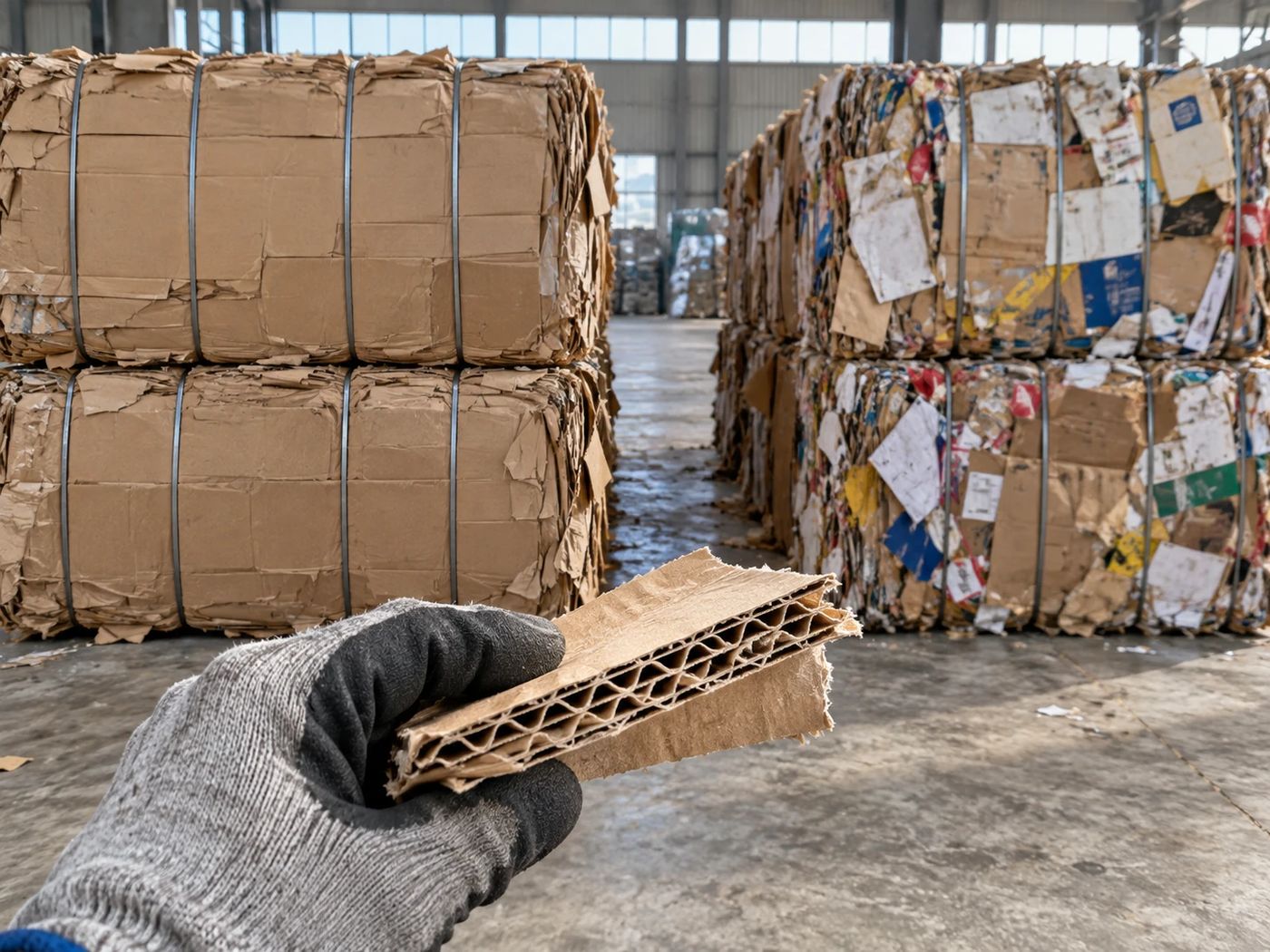
Most disputes in recovered paper trade are avoidable. They usually come from a vague specification, no agreed way to sample and weigh, and a rushed document set. This checklist takes you through the five steps that protect a buyer: write the specification, appoint an independent inspector, supervise loading, check the documents, and know how to raise a claim if something goes wrong.

1. Write the Specification Before You Negotiate the Price
Fix the grade first, then the price. State the reference standard and grade (for example EN 643 or an ISRI grade), the maximum moisture, the maximum share of non-paper and prohibitive materials such as plastics, metals, textiles and food waste, the bale size and weight range, and the way bales are tied. Add what is not allowed, such as hazardous, radioactive or municipal waste.
If the receiving mill has its own acceptance specification, attach it to the contract so seller and buyer are judged by the same document. Also agree how weight will be determined (origin weighbridge, destination weighbridge or an average) and which weight prevails.
2. Appoint an Independent Inspector and Agree the Sampling Method
An independent inspection company (for example SGS, Bureau Veritas or Intertek) checks the goods at loading and issues a report both parties can rely on. Agree in advance who appoints and pays for the inspector, what will be checked (grade, moisture, contamination, bale count and weight, container condition) and how samples are taken, for example a set number of bales drawn at random from different positions.
Give the inspector the written specification and the contract terms, and ask for the report and photographs to be sent to both parties before the vessel sails.
3. Supervise the Loading and Keep a Photo Record
Loading is where quality and weight are locked in. Ask for photographs of the empty container (clean, dry, sound floor), of each row of bales as it is loaded, of the closed doors with the container number and of the seal number. Check that bales are dry and not covered in dirt, and that no loose material is loaded.
A complete photo record is the strongest evidence if a claim is raised later, and it also discourages careless loading.
4. Check the Documents Before You Release Payment
Review the commercial invoice, packing list, bill of lading, certificate of origin and the inspection report. Names, product descriptions, weights, container and seal numbers must match across all documents, and the description must match the tariff classification you expect. Because rules for importing recovered paper differ by country and change over time, ask your customs broker to review the set before the vessel arrives.
Tie payment to documents: whether you use a letter of credit or an advance and balance, do not release the final payment until the documents are complete and consistent.
5. Raising a Claim: Evidence, Deadlines and Common Causes
If the goods do not meet the contract, act quickly. Notify the seller in writing within the period set in the contract, with photographs, the weighbridge tickets, the moisture readings and the discharge inspection report, and keep the disputed bales separate until the claim is settled. Use the method written in the contract (for example an oven-dry moisture test at an agreed laboratory) to settle disagreements.
The most common causes of claims are excess moisture, prohibitive materials, mixed grades and weight differences. Most are avoided by the steps above, which is why the specification, inspection and photo record matter more than any clause written after the problem appears.
Common Claim Causes and How to Prevent Them
| Claim cause | Typical reason | Prevention |
|---|---|---|
| Excess moisture | Bales stored outside or loaded wet | Agree a limit, measure at loading, keep bales covered |
| Prohibitive materials | Poor sorting at the source | Written specification, independent inspection, photographs of each row |
| Mixed grades | Different grades baled or loaded together | Grade named in the contract, supervised loading |
| Weight difference | Different scales or moisture between origin and destination | Agree which weighbridge and which weight prevails |
| Document mismatch | Errors in names, weights or descriptions | Draft documents reviewed by the broker before shipment |
6. Why Moisture Matters for Price: A Worked Example
Moisture is easy to underestimate because water is invisible in a bale, yet you pay for the full weight. The example uses illustrative numbers only.
Suppose a load weighs 24 tons and costs 150 USD per ton, so the invoice is 3,600 USD. If the moisture is 12 %, the dry fibre is 24 × 0.88 = 21.12 tons, so you really pay 3,600 ÷ 21.12 ≈ 170.5 USD per dry ton. If the moisture is 16 %, the dry fibre is 24 × 0.84 = 20.16 tons and you pay 3,600 ÷ 20.16 ≈ 178.6 USD per dry ton.
Four extra percentage points of moisture cost about 8 USD per dry ton in this example, roughly 4.7 % more, without any change in the invoice. Over a 25-container month the difference is large. That is why a contract should fix a maximum moisture, describe how it will be measured and state what happens if it is exceeded, for example a weight deduction for the excess.
7. Contract Clauses in Plain Language
You do not need complicated legal language to make a contract clear. These clauses cover what matters, and a lawyer can polish the wording.
Goods: the grade, quantity, tolerance on quantity and the standard used. Price and delivery: the price per ton, the incoterm with a named port, and the shipping period. Quality: moisture limit, maximum non-paper and prohibitive materials, and bale specifications. Inspection: who inspects, when, at whose cost and how samples are taken. Weight: which weighbridge or method decides the invoice weight. Payment: currency, method, timing and the documents required for payment. Documents: the list of documents and who provides each. Claims: the time limit, the evidence required and how disputes about moisture or contamination are settled, for example by an agreed laboratory. Force majeure and delays: what happens if shipping is delayed for reasons outside either party's control. Law and disputes: which law applies and where disputes are resolved.
8. Choosing and Checking a Supplier
A good contract helps, but a reliable supplier prevents most problems. Before a large order, check the following.
Track record: how long the supplier has traded, and references from other buyers in your market. Sources: where the material comes from and how it is sorted and stored. Site or photos: photographs or a visit to the sorting and baling site show real conditions. Samples and trial: a trial container reveals consistency better than any brochure. Documents: the supplier can provide the standard documents cleanly and on time. Communication: a supplier who answers questions clearly before the sale is likely to do so after it. Financial stability: a supplier who cannot cover a claim gives you little protection, so consider payment terms that limit your exposure until trust is built.
Start with a smaller trial, review the results, and increase volume as consistency is proven. This gradual approach costs a little time and saves a lot of risk.